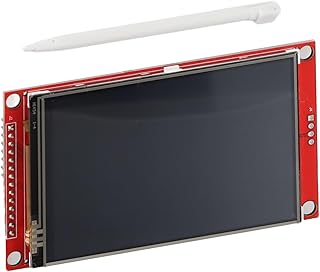
3.5-inch TFT LCD Touch Display Module, 320x480 Resolution, 16-bit RGB, Interface, /, with Touch Pen
Disclosure: Best Components earns from qualifying purchases as an Amazon Associate. Availability may change.
“A budget display option with some compromises. Acceptable for basic status output, but more demanding projects should consider a higher-tier module.”
Our Review
The 3.5-inch TFT LCD Touch Display Module, 320x480 Resolution, 16-bit RGB, Interface, /, with Touch Pen delivers solid performance for its category. With Display Type: TFT LCD, Resolution: 320x480, Size: 1.8 inch, it covers the essentials that most makers and engineers need for their projects.
Display quality was good for the price. Colors are vibrant and viewing angles are acceptable. The SPI interface delivers fast enough refresh rates for UI elements and sensor dashboards.
Integration with Arduino and ESP32 was hassle-free. Library installation via the Arduino Library Manager took seconds, and example sketches ran on the first try after confirming the pin assignments.
The 3.5-inch TFT LCD Touch Display Module, 320x480 Resolution, 16-bit RGB, Interface, /, with Touch Pen earns its place in the parts bin. Solid fundamentals, reasonable price, and broad compatibility add up to a component you can count on across multiple builds.
What We Like
- Bright backlight readable in indoor lighting
- Full-color display for rich UI and image rendering
- SPI interface supports fast screen refresh rates
- Multiple well-maintained Arduino/ESP32 libraries available
Watch Out For
- Touch calibration drifts over time on resistive panels
- Poor sunlight readability without transflective panel
- Some driver ICs have slow partial-update refresh
Specifications
| Display Type | TFT LCD |
| Resolution | 320x480 |
| Size | 1.8 inch |
| Interface | SPI + I2C |
| Driver IC | ILI9488 |
| Operating Voltage | 3.3V |
| Colors | 65K RGB (16-bit) |
| Touch | Resistive / Capacitive |
The Verdict
“A budget display option with some compromises. Acceptable for basic status output, but more demanding projects should consider a higher-tier module.”
Related Displays & LEDs Components