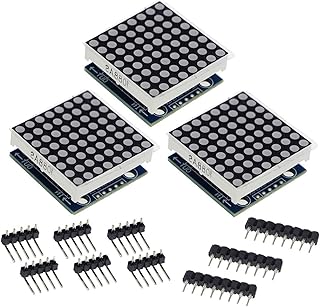
3PCS MAX7219 8x8 LED Dot Matrix Display Module - 5V MCU Control with Cascading Support, 3.2cm DIY Kit for Arduino/Raspberry Pi Projects
Disclosure: Best Components earns from qualifying purchases as an Amazon Associate. Availability may change.
“A competent component that handles standard use cases well. Not flashy, but reliable — which is what matters for project components.”
Our Review
For $18.14 CAD, the 3PCS MAX7219 8x8 LED Dot Matrix Display Module - 5V MCU Control with Cascading Support, 3.2cm DIY Kit for Arduino/Raspberry Pi Projects packs respectable specs: Display Type: LED Dot Matrix, Size: 8x32 (4 modules), Driver IC: MAX7219. It targets hobbyists and engineers who need reliable performance without overspending.
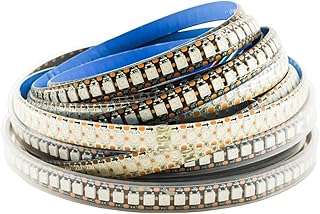
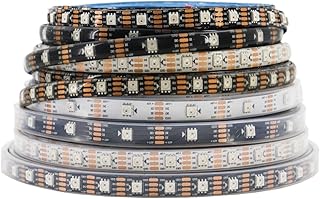
Display quality was impressive. Each LED is individually addressable and the colors are vibrant. FastLED and NeoPixel libraries make animation coding straightforward.
Integration with Arduino and ESP32 was hassle-free. Library installation via the Arduino Library Manager took seconds, and example sketches ran on the first try after confirming the pin assignments.
Overall, the 3PCS MAX7219 8x8 LED Dot Matrix Display Module - 5V MCU Control with Cascading Support, 3.2cm DIY Kit for Arduino/Raspberry Pi Projects fills its role well. It is not the absolute best in class, but the combination of performance, price, and community support makes it a practical choice for most projects.
What We Like
- Compatible with FastLED and Adafruit NeoPixel libraries
- Flexible PCB bends around curves and corners
- Individually addressable LEDs for complex animations
- Single data pin controls the entire strip
Watch Out For
- Requires a beefy 5V supply for long strips
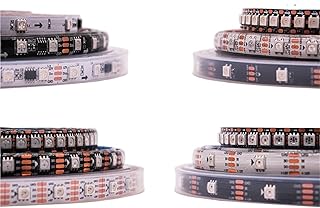
- Color consistency varies between batches
- Timing-critical protocol sensitive to interrupts
Specifications
| Display Type | LED Dot Matrix |
| Size | 8x32 (4 modules) |
| Driver IC | MAX7219 |
| Interface | SPI (DIN, CS, CLK) |
| Operating Voltage | 5V |
| Cascade | Daisy-chainable |
| Color | Blue |
The Verdict
“A competent component that handles standard use cases well. Not flashy, but reliable — which is what matters for project components.”
Related Displays & LEDs Components